
Understanding the psychological impacts of gambling on decision-making processes
The allure of gambling and its psychological foundation
The psychological allure of gambling often stems from the thrill and excitement associated with high-stakes decision-making. Many individuals are drawn to the adrenaline rush of placing bets, believing they have the power to influence outcomes. This perception can lead to cognitive biases, such as overestimating one’s skill level or the likelihood of winning. These biases create a seductive narrative around gambling that can overshadow rational thought processes, making it easier for individuals to justify their decisions. As a result, many players find themselves exploring platforms like Rolletto, where they can engage with a diverse range of gaming options.

Moreover, the psychological concept of loss aversion plays a significant role in gambling behavior. This theory posits that the pain of losing is psychologically more impactful than the pleasure derived from an equivalent gain. Therefore, when individuals experience losses, they often double down on their bets in an attempt to recover their lost funds. This cycle can lead to increasingly irrational decisions, further entrenching them in the gambling experience.
The social aspect of gambling also enhances its psychological impacts. Gamblers often congregate in casinos or online platforms, sharing stories of big wins and losses that reinforce the belief that winning is just around the corner. This communal narrative can perpetuate addictive behaviors, as individuals feel a sense of belonging and validation within their gambling circles, often overlooking the potential negative consequences of their actions.
The influence of cognitive biases on decision-making
Cognitive biases significantly affect decision-making processes in gambling scenarios. One of the most common biases is the gambler’s fallacy, where individuals believe that past outcomes influence future results. For instance, if a player sees several losses in a row, they may assume that a win is imminent, leading to decisions based on flawed logic. This can create a dangerous pattern where gamblers continually invest more money in hopes of reversing their luck, often leading to devastating financial consequences.
Another cognitive bias prevalent in gambling is the illusion of control. Gamblers often overestimate their ability to influence chance outcomes, especially in games that require a degree of skill, like poker. This illusion can prompt players to make hasty decisions, believing they can outsmart the game or their opponents. As a result, they may engage in riskier behaviors, such as increasing their bets, further compounding their losses.
The emotional impacts of gambling on decision-making
The emotional rollercoaster associated with gambling can deeply affect decision-making. Winning can create euphoric feelings, leading to impulsive decisions and increased risk-taking. The highs of success can cloud judgment, making individuals feel invincible and more willing to make aggressive bets. Conversely, losses can provoke feelings of frustration and anger, causing gamblers to chase their losses in an attempt to regain control over their situation.
This emotional volatility can lead to a disconnect between rational thought and actual behavior. For example, individuals may continue to gamble despite negative outcomes because the emotional highs of winning are so compelling. This disconnect can foster a cycle where emotional responses dominate decision-making processes, ultimately leading to irresponsible financial behaviors and potential addiction.
Moreover, the desire to escape from negative emotions often drives individuals to gambling as a coping mechanism. Whether it’s stress, anxiety, or depression, gambling can offer a temporary distraction. However, this reliance on gambling for emotional relief can create a dependency that intensifies the psychological impacts of decision-making. This dependency may cause individuals to ignore warnings from friends or loved ones, further isolating themselves in their gambling habits.
The role of marketing and environmental factors in gambling behavior
Marketing strategies in the gambling industry play a significant role in shaping decision-making processes. Online casinos and gaming platforms often employ tactics that appeal to psychological triggers, such as offering generous bonuses and promotions. These marketing strategies can create an illusion of opportunity, luring individuals into making impulsive decisions under the guise of having a good chance at winning. The excitement generated by flashy advertisements can overshadow rational thinking, leading to increased gambling activity.
Environmental factors also greatly influence gambling behavior. The ambiance of casinos, with their bright lights, engaging sounds, and vibrant designs, is specifically tailored to heighten the emotional experience. This stimulating environment can further exacerbate impulsive decision-making, as individuals become immersed in the moment and disregard financial limits. The sensory overload can blur the lines between leisure and excess, driving individuals to gamble more than they initially intended.
Furthermore, social media and peer influence are crucial factors in the contemporary gambling landscape. Stories of big wins shared online can inspire individuals to take risks they might otherwise avoid. The visibility of others’ success can lead to a normalization of gambling behavior, creating a misconception that winning is common and achievable. This phenomenon can compel individuals to make hasty decisions, influenced by the desire to emulate their peers or seek validation within social networks.
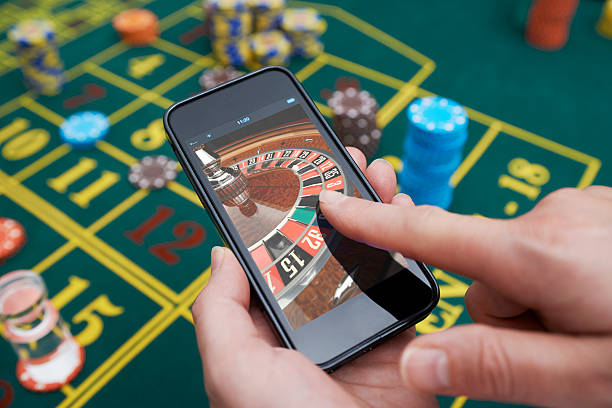
Rolletto Casino: A responsible gaming environment
Rolletto Casino offers a unique online gaming experience that is not only entertaining but also prioritizes responsible gaming practices. With a diverse range of games, including slots and live dealer options, it appeals to both novice and experienced players. Importantly, the casino is committed to creating a secure environment for its users by implementing responsible gaming tools and guidelines. These tools can help players set limits on their spending, encouraging a balanced approach to gambling.
The platform’s user-friendly interface ensures that players can easily navigate their gambling experience while being mindful of their decision-making processes. This approach fosters an awareness of responsible gambling and highlights the importance of recognizing when to take a step back. Additionally, Rolletto Casino provides robust customer support to assist players who may be struggling with their gambling habits, reinforcing the message that seeking help is a sign of strength.
By prioritizing player safety and well-being, Rolletto Casino stands out in the online gaming landscape. The commitment to responsible gaming practices not only enhances the overall experience but also contributes to a healthier approach to gambling. With awareness and support, players can enjoy the thrill of gaming while making informed and rational decisions, minimizing the psychological impacts that often accompany gambling activities.
