
Understanding the allure The psychology behind why we gamble
The Thrill of Uncertainty
The concept of uncertainty plays a pivotal role in the psychology of gambling. Many individuals are drawn to the unpredictable nature of games of chance, as this unpredictability can create a sense of excitement and anticipation. When placing a bet, players are often motivated by the hope of a significant win, which enhances their emotional investment in the game. This thrill is akin to the feelings experienced during extreme sports or other high-adrenaline activities, making gambling an alluring pastime for many. For those interested in enhancing their experience, exploring options like neosurf casino australia can provide an exciting alternative.
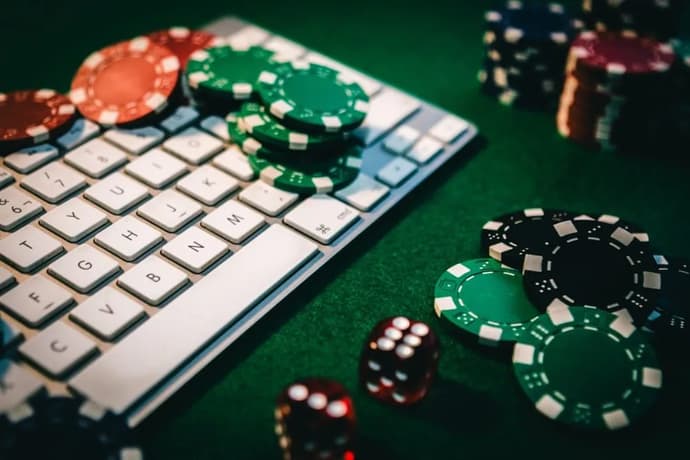
Moreover, this uncertainty is compounded by the allure of potential rewards. The possibility of winning big creates a dopamine rush, a neurotransmitter associated with pleasure and reward. This biochemical reaction not only reinforces the gambling behavior but can also lead to a cycle of repeated play as individuals chase that exhilarating high.
The Impact of Social Influence
Social factors significantly shape our gambling habits. Many people find themselves gambling in social settings, whether at a casino with friends or participating in online games where interaction is possible. This shared experience often enhances the enjoyment and excitement associated with gambling. The social environment can also create a sense of belonging and community, which further motivates individuals to engage in gambling activities.
Additionally, peer pressure and societal norms play a critical role in the decision to gamble. Individuals may feel compelled to participate in gambling activities to fit in or be accepted by a particular group. This social validation can reinforce their gambling behavior, making it a common pastime among friends and acquaintances.
The Role of Cognitive Biases
Cognitive biases significantly influence gambling behavior, shaping how individuals perceive risk and reward. One common bias is the “gambler’s fallacy,” where individuals believe that past outcomes will influence future events. For example, if a player has lost several times in a row, they may feel that a win is “due.” This misconception can lead to increased betting and a misguided belief that they can control outcomes through their actions.
Another cognitive bias at play is the illusion of control. Gamblers often believe they can influence the outcome of a game through skill or strategy, even in inherently random games. This belief can encourage prolonged engagement in gambling activities, as players feel empowered to affect their chances of winning, even when the odds are stacked against them.
The Emotional Rollercoaster of Gambling
Gambling is not just about the potential for financial gain; it also taps into a wide range of emotions. Many gamblers experience a rollercoaster of feelings, from excitement and anticipation to disappointment and despair. These emotional highs and lows can be addictive, as individuals may find themselves drawn to the thrill of the next game in hopes of recapturing that winning feeling.
Furthermore, for some individuals, gambling serves as a coping mechanism for stress or negative emotions. The temporary escape provided by gambling can be appealing, allowing individuals to forget their problems and immerse themselves in a world of chance and excitement. However, this reliance on gambling as an emotional outlet can lead to problematic behavior and financial difficulties.

Discovering Responsible Gambling Practices
In the vibrant landscape of online gambling, understanding the psychology behind gambling can lead to more responsible choices. Websites dedicated to promoting safe gambling practices offer resources for players looking to enjoy their experience while minimizing risks. With tools for setting limits and understanding the importance of self-control, players can navigate the world of gambling in a more informed manner.
By exploring responsible gambling initiatives and educational resources, individuals can strike a balance between the thrill of the game and their well-being. Emphasizing informed choices and healthy habits can enhance the overall gambling experience while ensuring that it remains an enjoyable pastime rather than a source of stress or financial burden.
